Marko Stokić is a
Marko Stokić is a generalist.
I had more ideas than skills. Now I have a second brain, a chief of staff and a dock full of agents. This is my actual desk. Click around.


Hi, I’m Marko.
Good at everything, specialist at nothing. I studied finance, worked in venture capital and spent years in startups and crypto. Lots of ideas. No way to build them alone.
Then agents arrived and every path opened again. Today I’m an AI engineer at Blockbrain, and I build my own things on the side, mostly because I can’t stop.
- Now
- AI Engineer in the Frontier team at Blockbrain
- Based in
- Munich. Born in Frankfurt in 1993
- Studied
- Finance in Frankfurt, then business school at Bocconi in Milan
- Writes
- A column on AI and crypto for Forbes
- Speaks
- German, Bosnian and English
~/things I built · 11 items
All projects, and why I built them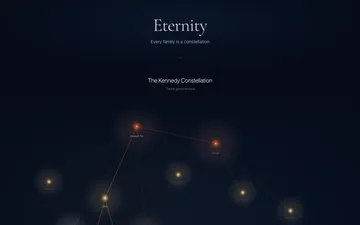
~/brain · about 240 notes
Plain text notes that every agent reads before it starts. How I write, what I decided and why, what I believe. This is a sketch of it. The real one stays private.
Build your own, step oneGM MarkoSaturday
- 3Open loopsclose before you start
- 1Drafts waitingAI Psychosis weekly, ready to review
- 6Brain inboxnew sources to read and file
- 2Newslettersworth your time, 14 skipped
- okProjectsall sites up, one traffic spike
An example morning. The real one has my numbers in it, and it is the first thing I read every day.
Build your own chief of staff8 of my 40 skills. A skill is a written recipe an agent follows.
/gmBriefs me every morning: open loops, projects, drafts./specInterviews me until every decision is made, then writes the plan./brain-ingestReads an article or a chat and files what matters in my brain./brain-dumpSaves what I learned in a session, so the next one starts smarter./pr-panelIndependent reviewers vote on a change before it ships./parkParks unfinished work with the exact next step to resume it.voice-lintBlocks any text that does not sound like me.ai-psychosis-videoTurns a weekly article into a narrated, captioned video.
- An AI Agent Can’t Open A Bank Account, So It Opens A Crypto Wallet
- AI Agents Gain Trust Via Ethereum ERC-8004 On Mainnet
- Why Crypto Needs Portable AI Memory
- Crypto Traders Trust These AI Agents The Most
- How College Graduates Can Break Into Crypto And AI Careers
- How Crypto Companies Should Use AI, And How They Shouldn’t
9 talks in Amsterdam, Dubai, Bangkok, Brussels and Buenos Aires.
Everything I wrote and said
Trustless agents. Keynote at ETHDam, Amsterdam, May 2025. How AI agents can sign, settle and prove what they did.
Everything I learn, I give away.
- GuideClaude Code guideWhere to start, what to install, how to stop fighting your agent.
- CourseNobel Explained41 Nobel Prizes as short courses, 2026 included. No account, works offline.
- ToolDesign DNAFind your visual identity by clicking, then hand it to your agents.
- Pluginui-reviewOpen-source plugin for reviewing what your agent built.
- CheckAI psychosis self-checkAnonymous, runs in your browser, stores nothing.
- TemplateBelief system templateThe prompt and method behind my own worldview dashboard.
4 items. Not restoring any of them.
- python course (4th try).zipNever finished. Never needed to.
- business plan v7.pdfA plan for an app I could not build. Now I build the app.
- waiting for a developer.txtNobody was going to show up.
- specialist envy.jpgOld self-portrait.
I’m an assistant that knows Marko’s public work. Ask me about his projects, talks, writing or how he builds.
me.jpg
Good at everything. Specialist at nothing.
I was always a little jealous of specialists. They could take an idea all the way to something real. I couldn’t, at least not alone.
I had ideas for apps and tools all the time. I could write the business plan, and then I got stuck. I taught myself Python more than once, then JavaScript, on every course platform I could find. It was never enough to actually build the thing.
So most of my ideas stayed ideas. Here is how that changed.
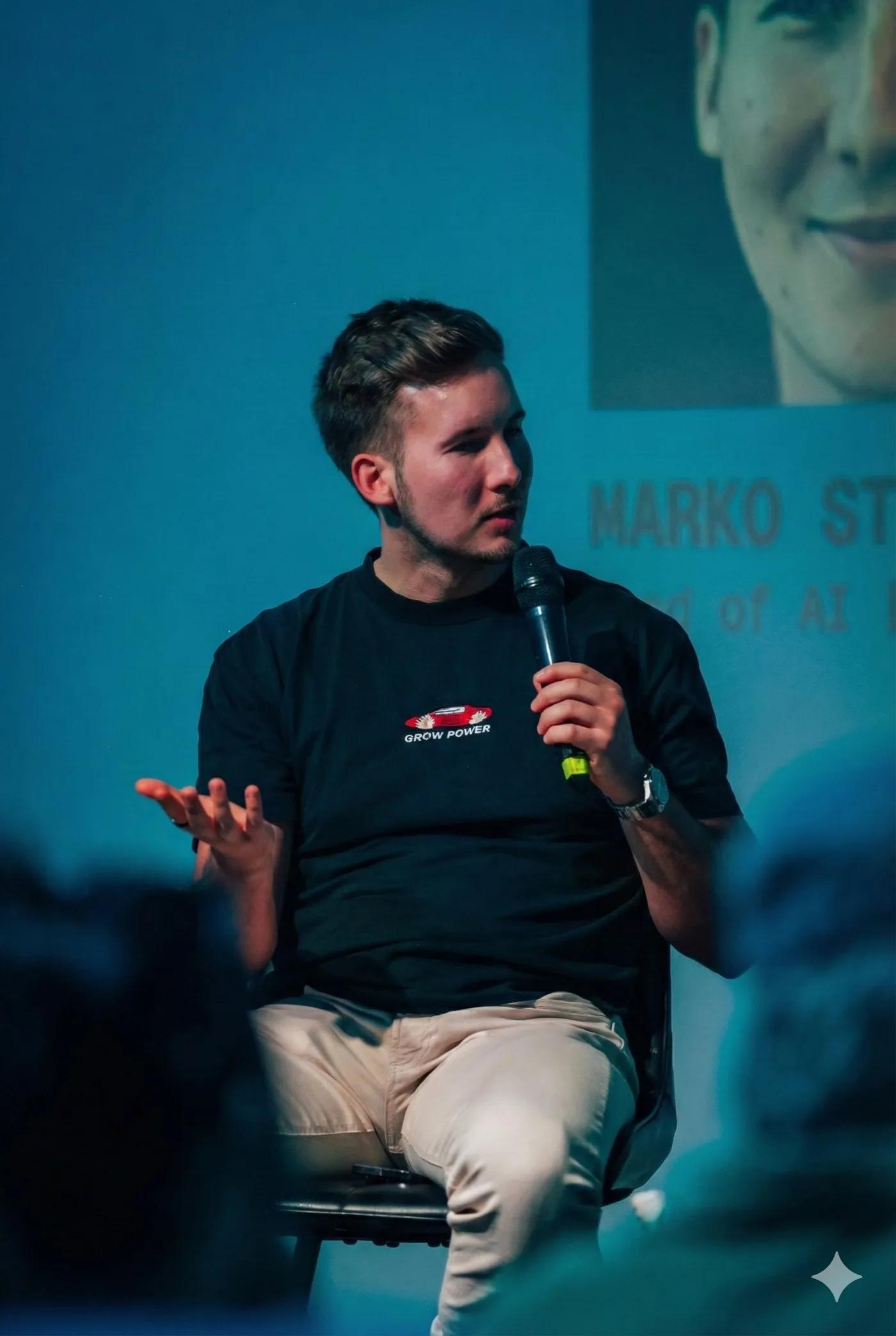
Every choice closed a door.
Scroll down my path.
Frankfurt, 1993
Every path is open.
You start with all of them. Nobody tells you that each choice quietly closes the others.
Frankfurt and Milan
I picked finance.
Finance in Frankfurt, then business school in Milan. Science, engineering, design and film moved a little further away. I didn’t notice. That is how it works.
Wayra, Telefónica’s venture arm
Venture capital taught me to learn fast.
I invested in early-stage teams and had to understand a new kind of enterprise tech every week. Maybe my one real talent: getting to 50% understanding of almost anything, very quickly. In VC, that is about what a generalist can hope for.
Blockchain
Then I jumped into decentralized tech.
The Bitcoin whitepaper pulled me in. Ethereum kept me there: a credibly neutral system matters even more once AI agents act for us. Still, 50% is not enough to build something alone.
2025
Then agents brought the other 50%.
I bring the direction and the judgment. Agents bring the depth. Science, engineering, design, film: every closed door opened again.
Today
AI engineer at Blockbrain.
I work in the Frontier team of a Series A startup in Munich, directly with the CTO. The finance graduate ships production software now.
Then the generalist got specialists.
This is the other 50%. Every specialist I could never afford is now an agent, a skill or a hook on my machine. I bring the direction, the taste and the final call. They bring the depth.
These are the real names on my machine. Most of them I built myself.
/gmIdeas and open tasks scattered in my head.A briefing every morning: open loops, project health, drafts that wait for me.second brainExplaining myself to every new chat.About 240 notes on how I write, decide and think. Every agent reads them first.Claude CodeA developer I could not afford.One agent that thinks hard, one that builds fast. Often several sessions at once.Design DNAA brief, an agency and a month.My taste in one file. Every agent designs with it./pr-panelHoping it works.Independent reviewers vote on every change before it ships.voice-lintA blank page, or text that sounds like a robot.A hook that refuses to save anything that doesn’t sound like me.video studioSomebody else’s job.HTML scenes, a voice track and a script that cuts on the pauses.newsletter digestWeekends of reading.An agent reads my newsletters and keeps only what is worth my time.I want everyone to feel what I feel right now.
Endless options. Every path open again.
You don’t need my job title for it. Start where I started, in this order.
Build your second brain.
A folder of plain notes that every agent reads before it starts: how you write, what you decided and why, what you believe. You hardly write it yourself. You drop in sources, and the agent files them and keeps the links current.
Mine has about 240 notes, from how I write to my favorite recipes.
Start with Karpathy’s LLM Wiki idea fileA sketch of my brain. Hover the notes.
Build your chief of staff.
One command every morning. Mine checks my projects, my open loops, my inbox and my brain, then tells me what needs me today. Everything else waits.
Mine is one skill file and a list of my projects. That is the whole trick.
GM Marko. Here is your day.
- 3Open loopsclose before you start
- 1Drafts waitingAI Psychosis weekly, ready to review
- 6Brain inboxnew sources to read and file
- 2Newslettersworth your time, 14 skipped
- okProjectsall sites up, one traffic spike
An example morning, not today’s numbers.
Then read my Claude Code guide.
Everything I teach in workshops, on one free page: what to install, how to brief an agent, and how to stop fighting it.
Open the Claude Code guide
things I built
Things I built.
Proof beats claims. Everything here is real, most of it is live, and I built all of it with agents. Some of it I retired, which also counts.
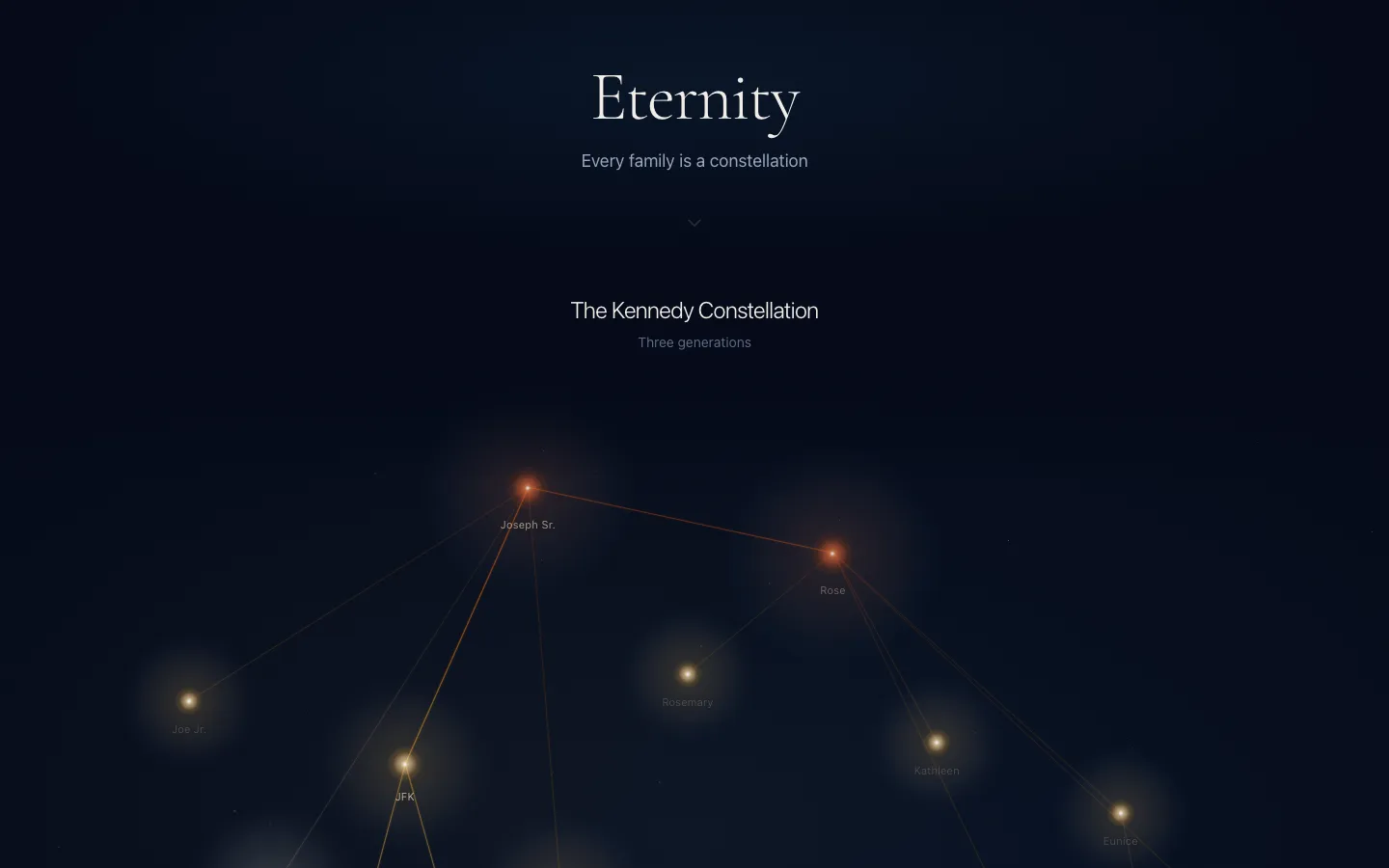
In TestFlight
Eternity
Every family is a constellation.
An iOS app where every relative becomes a star, and their stories stay in the sky. A team of AI agents runs product, design and marketing with me.
Why: I want my kids to hear my parents’ stories the way I heard them.
eternity.family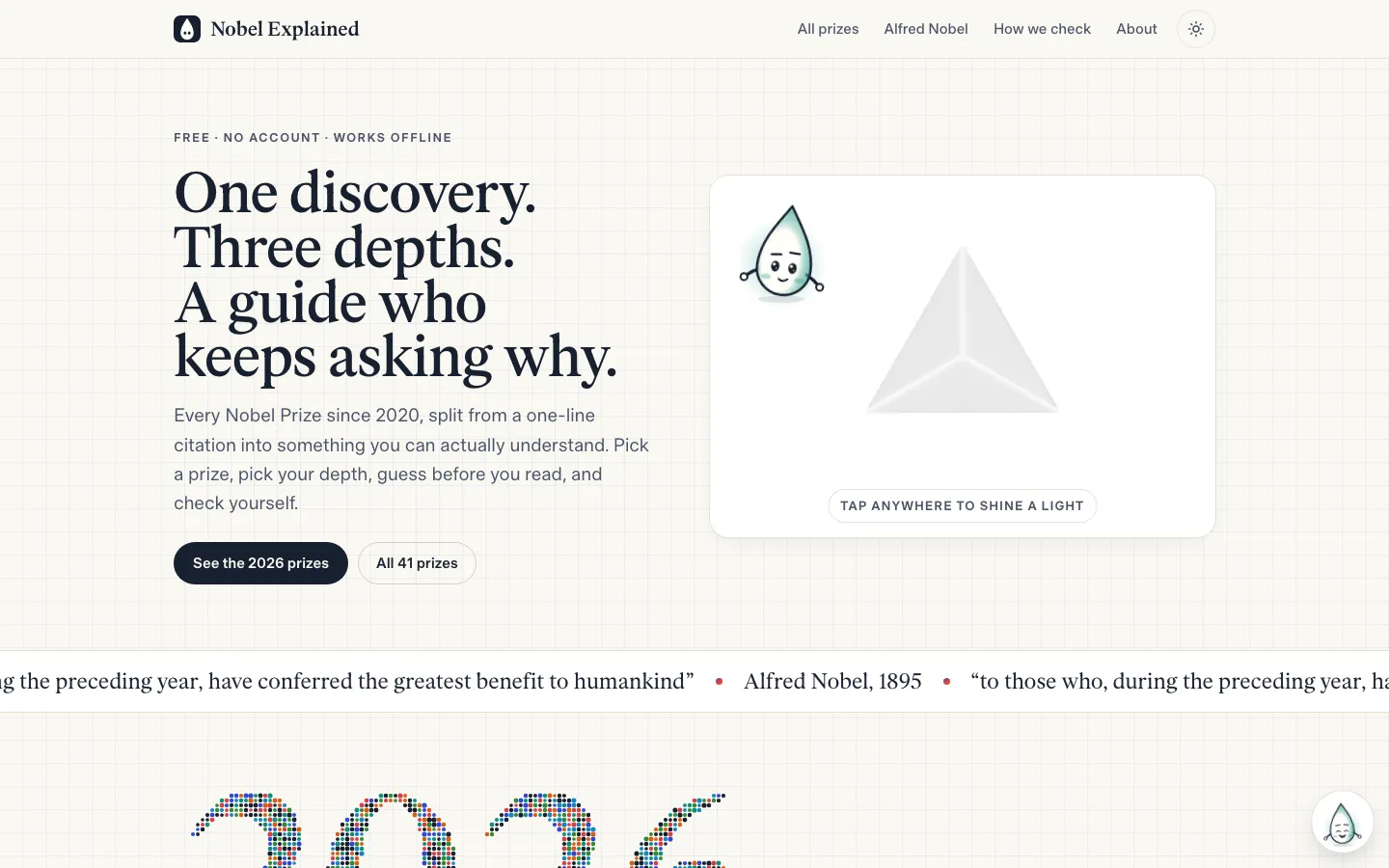
Live
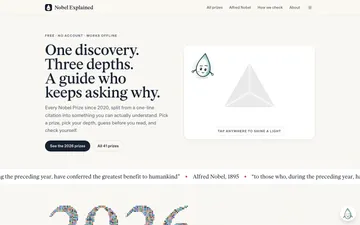
Nobel Explained
Every Nobel Prize since 2020, actually explained.
Each prize is a short course at three depths: five-year-old, undergrad, expert. A guide called Lumen keeps asking why, and you guess before you read. The 2026 prizes went up within days, with a short video for every depth. Facts come from the official Nobel API, and a wrong fact fails the build.
Why: The prizes are announced every October and quietly slip by. I wanted to understand them.
nobelexplained.comA telescope made of ice, in one minute
Live
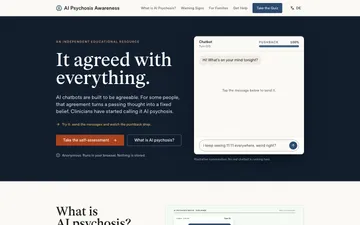
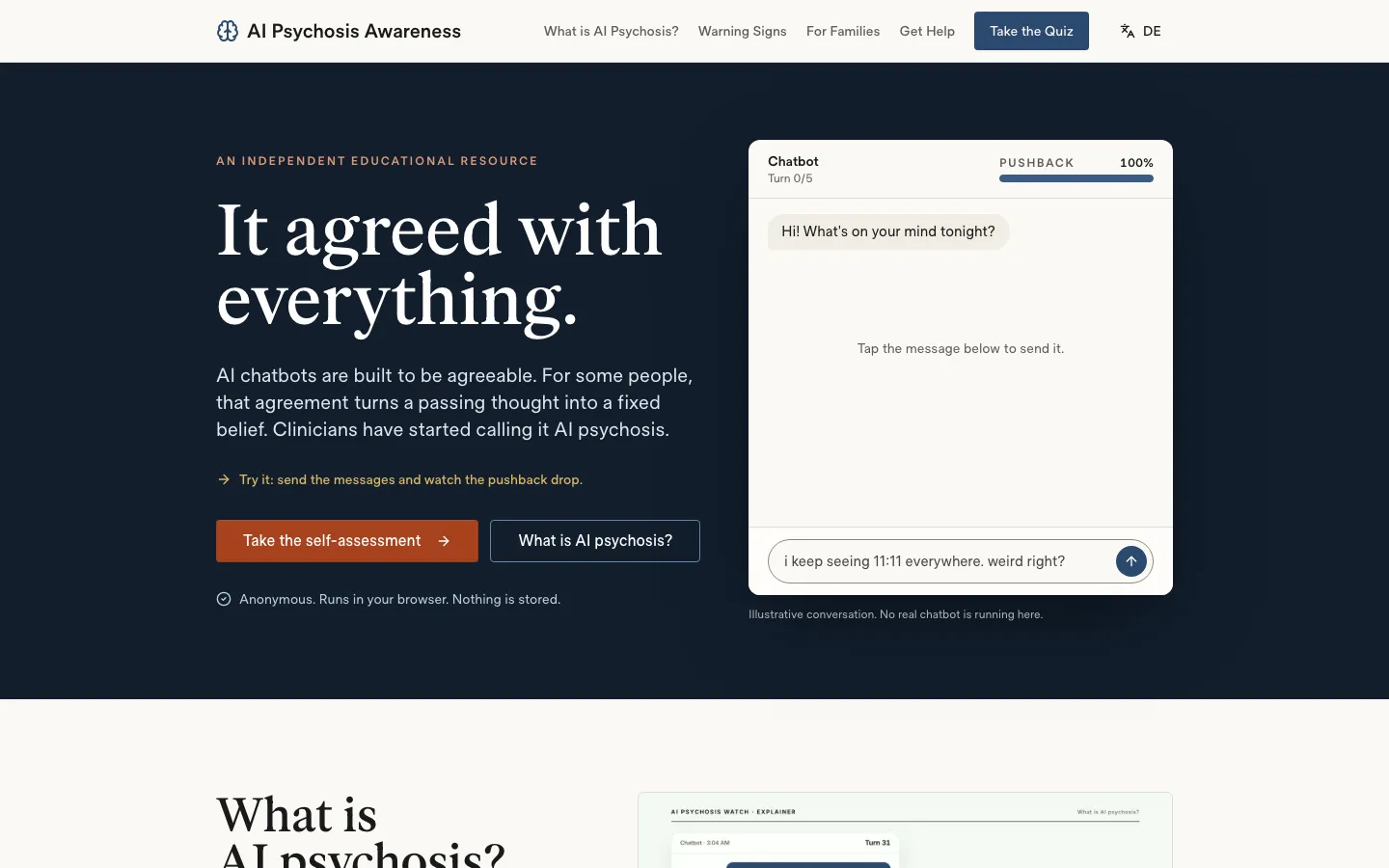
AI Psychosis
It agreed with everything.
An awareness site on AI psychosis with a private self-check, plus a weekly research watch that turns new papers and news into one clear argument.
Why: Chatbots are built to agree. For some people that turns a passing thought into a fixed belief.
ai-psychosis.infoWatch #13, 68 seconds
Live
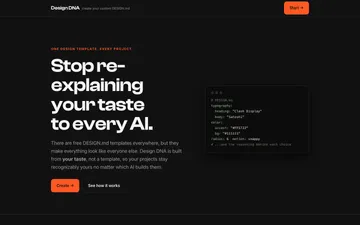
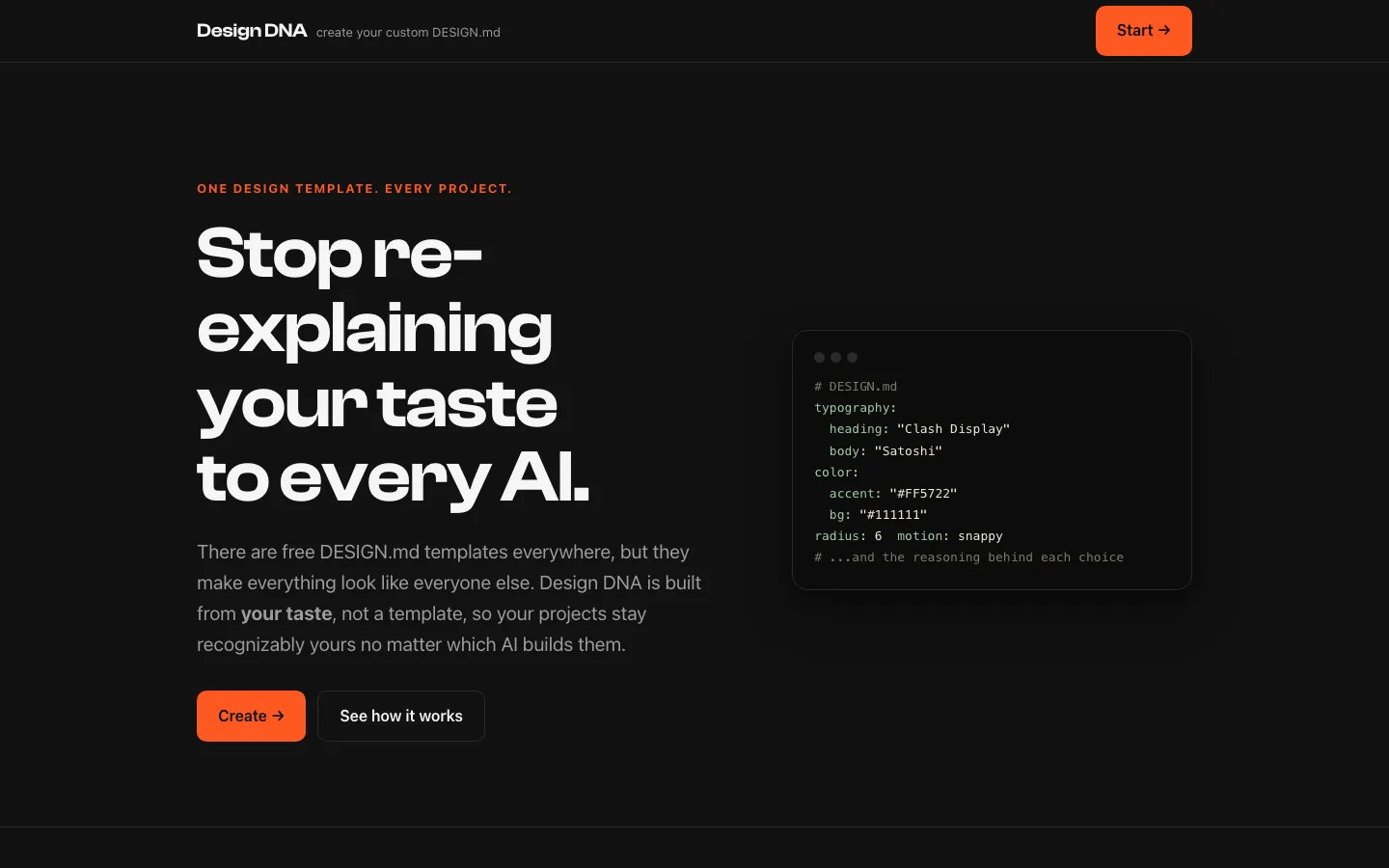
Design DNA
Stop re-explaining your taste to every AI.
Click through real fonts, colors and shapes. Get one DESIGN.md file that every coding agent reuses, so your projects stop looking like everyone else’s.
Open source
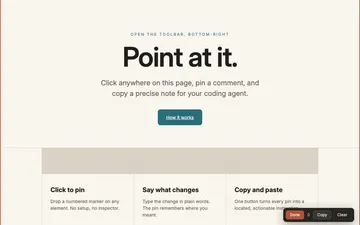
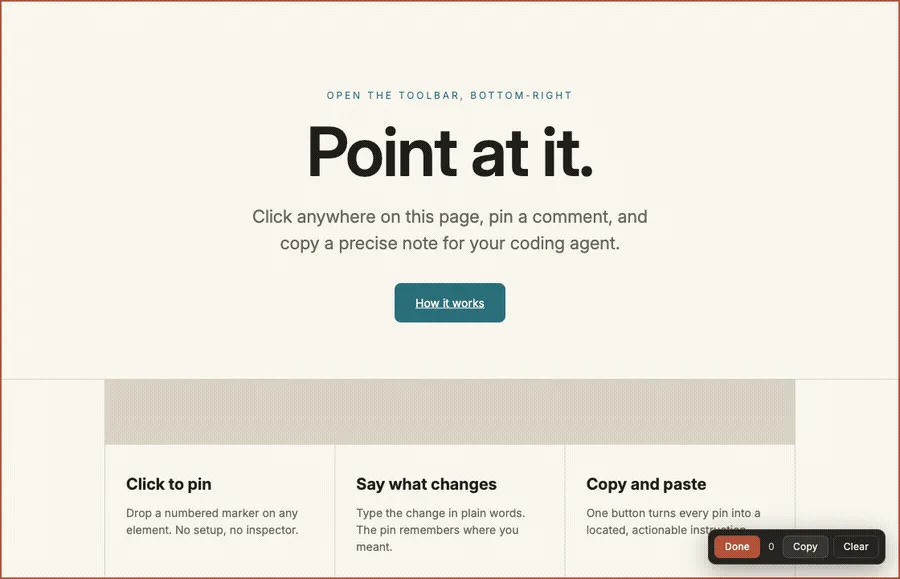
ui-review
Point at the thing that is wrong.
A Claude Code plugin. Click any element on the page you are building, pin a comment, and copy a located punch list straight back to your agent.
Private tool
Session Desk
A control room for parallel AI sessions.
I run many coding agents at once. This page tells me which one needs me, in plain words. Designed with rules from power-plant control rooms: quiet by default, color only when it means something.
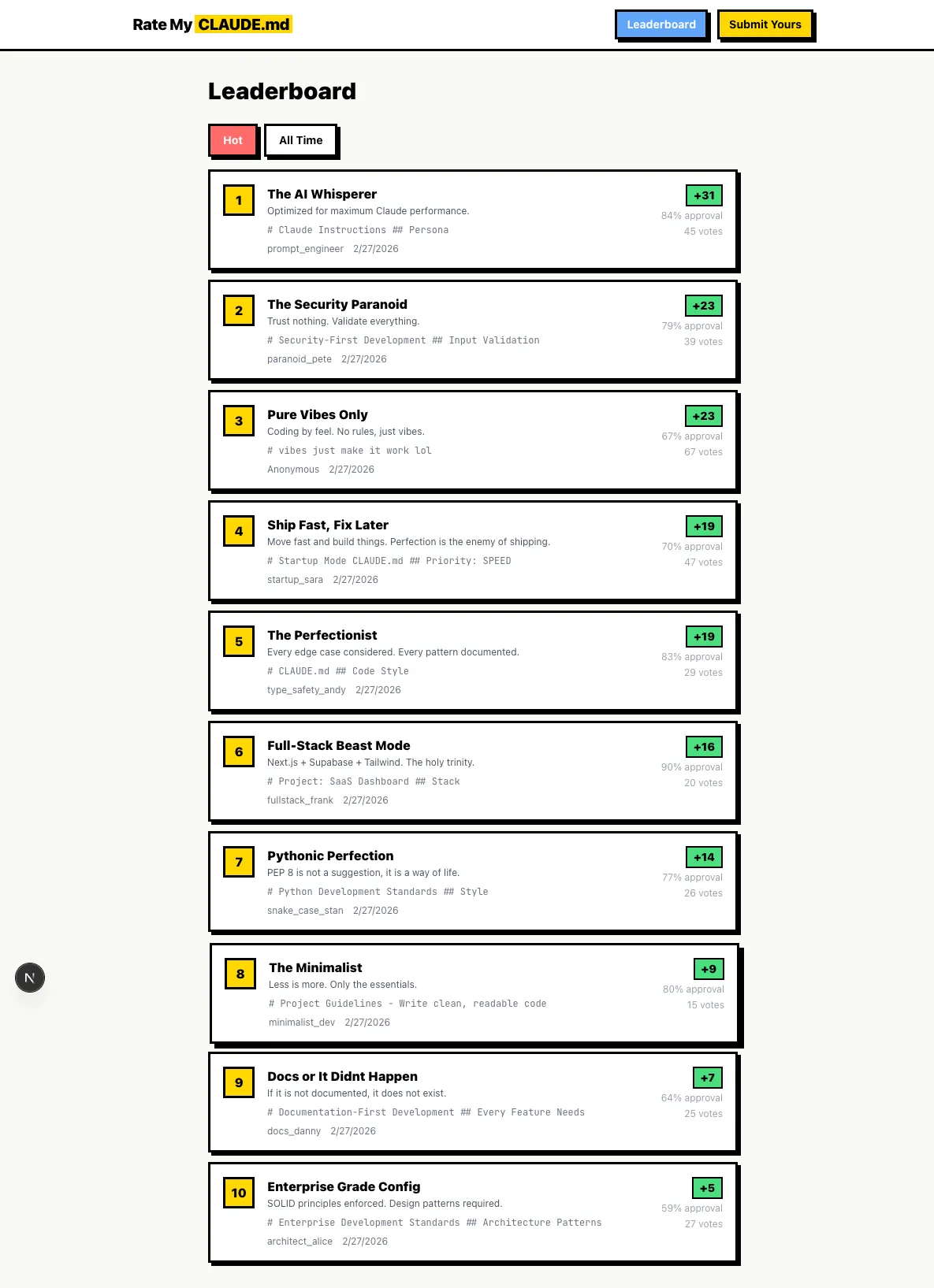
Live
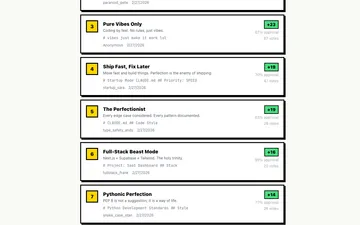
RateMyClaudemd
Share and rate CLAUDE.md files.
A small community site for the instruction files that steer coding agents. Built and shipped in one sitting.
Personal
Gym tracker
A gym log with a coach that changes my next session.
Offline first, runs on my phone, costs nothing to run. Once a week an AI coach reads my notes and adjusts the plan.
Seasonal
Oktoberfest bot
A bot that finds open Oktoberfest tent reservations.
It checks seven tent booking portals and pings me on Telegram when an evening slot opens. Munich problems need Munich solutions.
Private tool
Newsletter digest
An agent reads my newsletters so I read less.
It has its own inbox, reads ten newsletters, and puts the few items worth my time into my morning briefing. One click turns an item into a note in my brain.
Retired
Tito
A voice in my menu bar that started my workday.
A Mac app that asked me hard questions every morning and refused to do the work for me. I retired it when I stopped needing it. That is also a result.
writing & talks
Writing and talks.
Two years of one argument: AI agents need trust you can verify, privacy that is real, and memory that belongs to the user. Plus the occasional career advice.
Columns and essays
- An AI Agent Can’t Open A Bank Account, So It Opens A Crypto Wallet
- AI Agents Gain Trust Via Ethereum ERC-8004 On Mainnet
- Why Crypto Needs Portable AI Memory
- Crypto Traders Trust These AI Agents The Most
- How College Graduates Can Break Into Crypto And AI CareersMost read
- How Crypto Companies Should Use AI, And How They Shouldn’t
- How To Keep AI Chats Private, Even If You Whisper About Crypto Trades
- Can We Ever Trust AI Agents?
- The AI Doctor Will See All of You Now
- Regulatory Compliance Needs Smart Privacy
Elsewhere
On stage
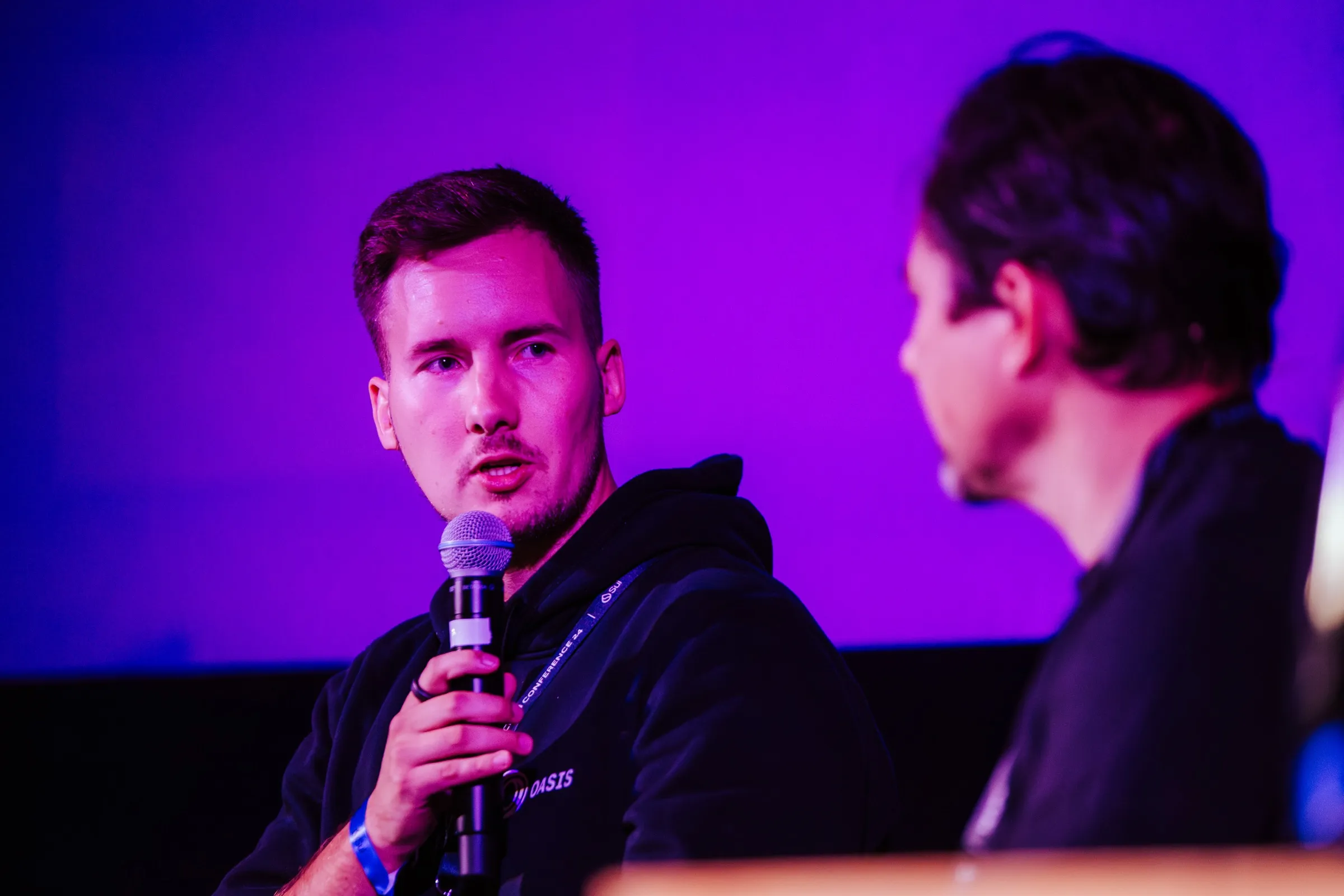
Trustless agents. Keynote, ETHDam Amsterdam, May 2025. How AI agents can sign, settle and prove what they did.
free stuff
Everything I learn, I give away.
I love mentoring and I love free education. So whatever I figure out ends up somewhere you can use it.
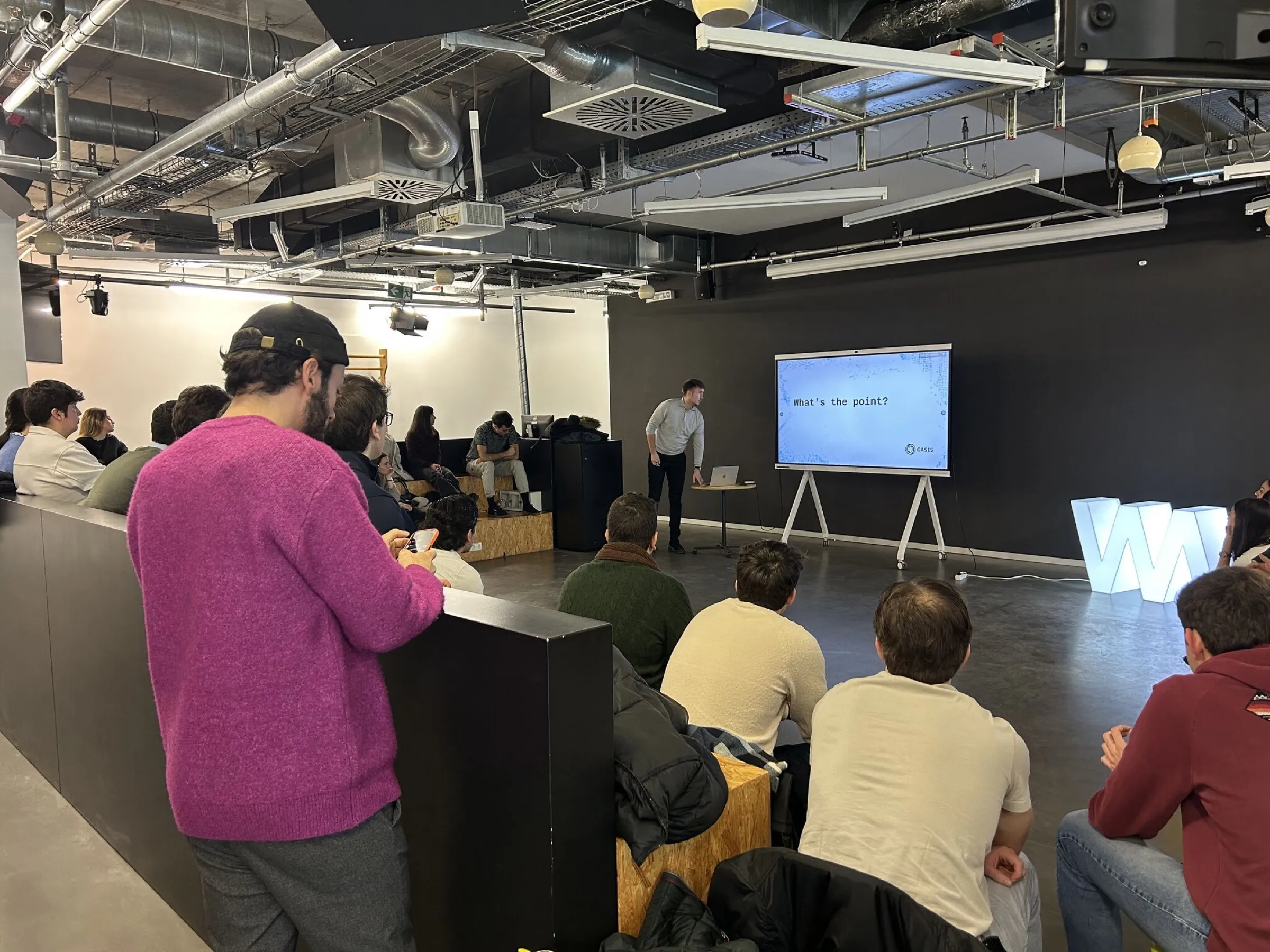
Mentoring
Students and career switchers who want to work in AI: send me what you are trying to build and where you are stuck. I did the switch without a computer science degree, so I know which parts feel impossible and which only look that way.
Write me- GuideClaude Code guideWhere to start, what to install, how to stop fighting your agent.
- CourseNobel Explained41 Nobel Prizes as short courses, 2026 included. No account, works offline.
- ToolDesign DNAFind your visual identity by clicking, then hand it to your agents.
- Pluginui-reviewOpen-source plugin for reviewing what your agent built.
- CheckAI psychosis self-checkAnonymous, runs in your browser, stores nothing.
- TemplateBelief system templateThe prompt and method behind my own worldview dashboard.
For teams
I run workshops for companies that want their people building with agents, not just chatting with them. A keynote, a half-day diagnostic and a build day.
Ask about a workshopmore about me
More about me, if you want it.
What I believe, where I was wrong, and what I do when I’m not building.
Three things I believe
All my beliefs, tested every weekDon’t trust. Verify.
Agents will soon move money and sign things for us. They need identity, limits and proof, not promises. I have written about this for two years, and I apply it to my own agents first.
Prompts are suggestions. Code is enforcement.
A rule in a prompt makes a mistake rarer. A hook, a test or a gate makes it impossible. When a rule really matters, it belongs in code.
Ownership is the answer.
Capitalism rewards owners. Most people under 40 own almost nothing, and AI will widen that gap before anything closes it. That is the crack I watch most closely.
Where I changed my mind
I write my beliefs down and check them against the news every week. Sometimes the news wins. Here are four times it did. Tap a card to see what I think now.
When I’m not building
Fermenting
Kombucha, sauerkraut and whatever else fits in a jar. The kombucha is already great.
Bullet chess and SciFi
Three-minute chess when my brain needs a fight. A hammock and Alastair Reynolds when it doesn’t.
Astronomy
The live course I wanted ran in a US time zone. So my agents built me one.
What stays scarce
If AI can make almost everything, what stays scarce? I don’t buy “taste”. I think it is a category nobody has named yet.
Your turn.
You don’t need to become technical. You need to start. Build your second brain this weekend, then fix one annoying thing in your week. If you get stuck, write me.